Spray painting has a reputation for being the fast, modern way to paint, and brush and roller the slow, traditional one. The truth is more useful: each method wins in different situations, and a good painter chooses per surface, not per preference. Here is how the choice actually gets made.
Where does spray application win?
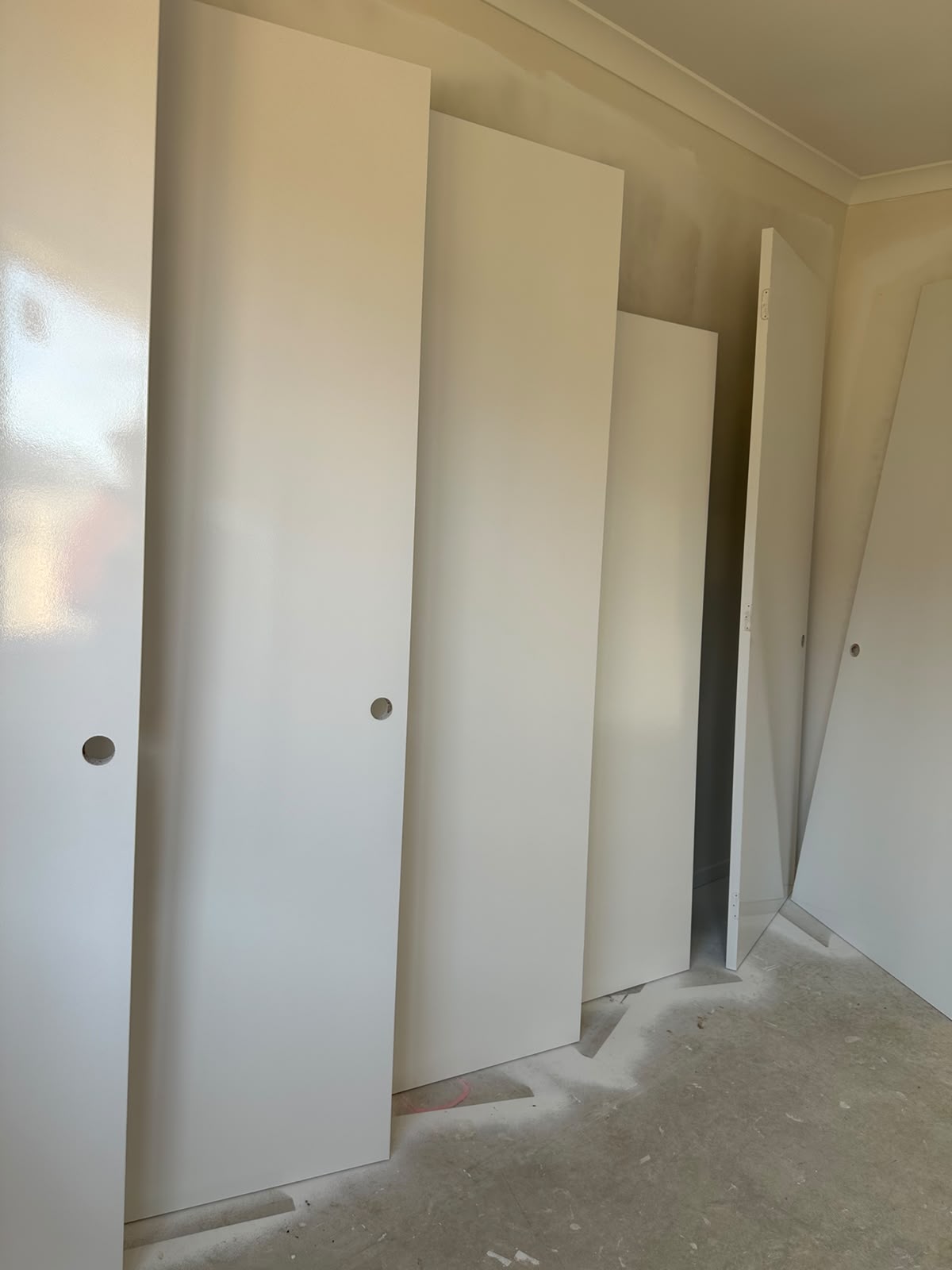
Spraying comes into its own on big, open, continuous surfaces. New builds and extensions are the classic case: empty rooms, no furniture, no flooring to protect beyond basic sheets, and ceilings and walls that can be coated in days instead of weeks. The finish is the other argument. Airless spray lays paint down with no lap marks and no roller texture, which is why new interiors and garage spaces photograph so evenly.
Render and texture-coated walls suit spray too. The texture on those walls has hundreds of tiny highs and lows, and spray reaches into all of them in one pass, where a roller can bridge over the lows and leave the colour looking thin. Roofs are almost always sprayed for the same reason: tile profiles and metal ribs are impossible to coat evenly by hand at any reasonable speed.
Where do brush and roller still win?
Occupied homes, for a start. Spraying inside a furnished house is possible but the masking load climbs steeply, and sometimes the honest answer is that rolling the room is quicker than masking it. Detail work stays with the brush regardless: window frames, door edges, skirtings, anything with corners and lines that need a steady hand rather than a fan of paint.
Small jobs also suit roller and brush. A single feature wall does not justify the setup time of a spray rig, the cleaning of the machine or the masking of the room. And windy exteriors rule spray out entirely: on a gusty day, sprayed paint travels, and no neighbour wants their car lightly dusted.
What does the masking really involve?
This is the part that decides whether a spray job looks professional. Everything that is not being painted gets covered: floors, windows, light fittings, benchtops, taps, gardens, cars in the driveway. Edges are taped, plastic goes over the big areas, and only then does the rig come out. On a well-run spray job, the masking takes as long as the spraying, sometimes longer.
When you look at a painter's spray photos, look at the edges. Clean lines at the ceiling, no mist on the window glass, no speckle on the floor: that is what proper masking produces, and it is most of what you are paying for.
Is the finish actually different?
On the right surface, yes. Sprayed coatings go on in a consistent film thickness, which matters for durability as much as looks, because thin spots wear first. Rolled finishes have a slight texture most people never notice, and on weatherboards and trim that texture is perfectly appropriate. Where people notice the difference is on big flat areas in strong light: ceilings, garage walls, wide rendered facades.
Spraying also uses paint a little less efficiently, since some of the fan becomes overspray even with good technique. That cost is usually offset by the labour saving on big areas.
So which should your job use?
The practical answer most jobs arrive at is a mix. A whole-house repaint might spray the ceilings and open walls, roll the smaller rooms, and brush the trim. An exterior might spray the render and hand-finish the windows and doors. Our spray painting service handles both interiors and exteriors. When you get quotes, it is fair to ask how each area will be applied, because the answer tells you whether the painter is choosing the method for the surface or just the method they prefer.
How does the method affect the quote?
Spraying shifts the balance between labour and setup. The application itself is fast, but the masking and machine cleanup are real hours, so spray tends to win on price when the area is large and win nothing when it is small. A whole-house interior that takes a week by roller might take three days by spray, and that saving shows up in the labour line of the quote.
The paint line moves a little the other way, since some material is always lost to the air. On most jobs the labour saving outweighs the extra litres comfortably. When you compare quotes, one priced for spray and one for roller on the same job, the difference you are seeing is mostly method, not quality, and it is fair to ask each painter why they chose theirs.
The bottom line
Neither method is the better one in general. Spray wins on large, open or heavily textured surfaces where its speed and even film pay off. Brush and roller win on detail, small areas and occupied homes where masking would eat the time saving. The right answer for your house is almost always a considered mix, and it should be visible in how the quote describes each area.